Post-Surgical Rehabilitation for Rebuilding Strength and Confidence
Surgery may repair an injured structure, but the return to walking, lifting, working, exercising, or caring for family still requires rehabilitation. Pain, swelling, stiffness, weakness, and uncertainty can make normal movement feel less automatic. Post-surgical care provides a structured way to rebuild capacity while respecting healing precautions.
>>> Ready for a post-surgical plan connected to the activities you want back? Schedule your evaluation with our Sandy team.
The Procedure Defines Important Boundaries
Rehabilitation after a joint replacement is different from care after a ligament reconstruction, tendon repair, or spinal procedure. Weight-bearing status, movement precautions, tissue healing, and the surgeon’s protocol influence what is appropriate.
We review the available surgical information and ask about current symptoms, medications, daily function, and goals. If a precaution or timeline is unclear, communication with the surgical team may be needed before progressing.
Early Progress Is More Than Pain Reduction
Comfort matters, but early rehabilitation may also focus on swelling, joint motion, muscle activation, walking, and safe performance of daily tasks. A person may feel less pain while still avoiding the surgical side or using compensations that limit function.
Clear measures help us see what is changing. Depending on the procedure, we may track range of motion, strength, walking tolerance, balance, stair ability, or the quality of a sit-to-stand movement.
We also consider how the person manages essential routines at home. Getting in and out of bed, preparing a meal, bathing, or moving through the community can reveal practical barriers that isolated measures may miss.
Those observations also help shape a home program that fits the person’s current precautions, available support, and daily environment.
Strength Returns Through Progressive Loading
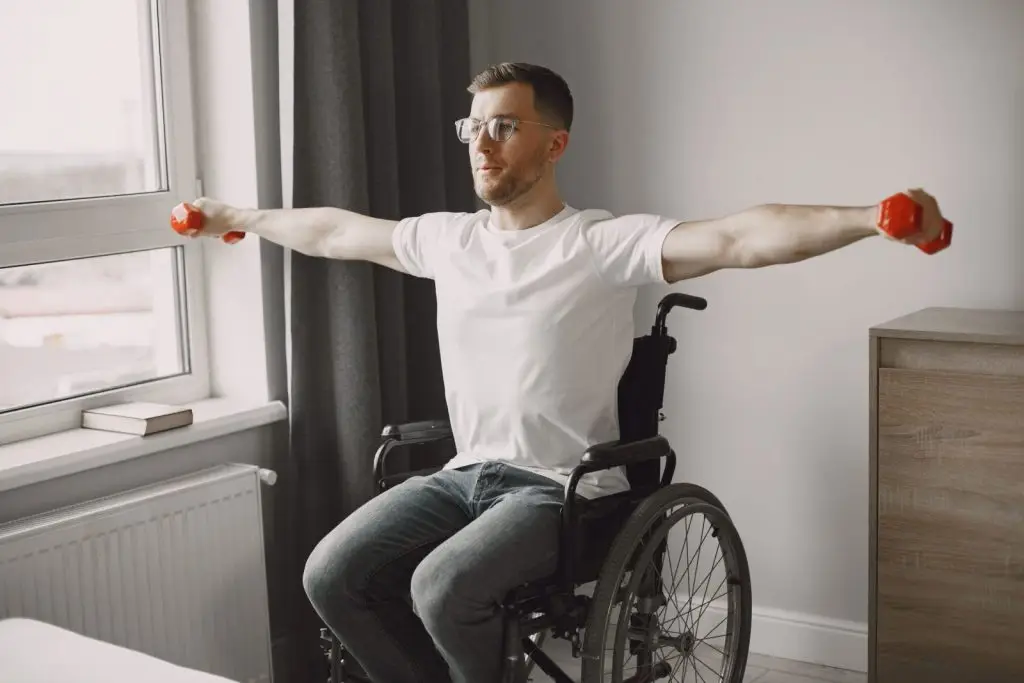
After surgery, muscles may lose capacity because of pain, swelling, protection, or reduced activity. Rebuilding strength requires an appropriate starting point and a gradual increase in demand.
A plan may progress through:
- Isometric muscle activation
- Supported body-weight movement
- Resistance exercises through an allowed range
- Balance and coordination tasks
- Functional lifting, stairs, or sport-related preparation
The sequence depends on healing and response. More resistance is not always better if the movement loses control or symptoms remain elevated afterward.
Confidence Grows From Useful Evidence
It is common to feel cautious about loading a repaired area. Confidence does not come only from reassurance; it also grows when the patient sees that the body can complete increasingly meaningful tasks.
We can break a goal into smaller steps, practice with support, and review the response. A person returning to work may focus on standing and lifting tolerance, while someone returning to recreation may need higher-speed or repeated movement. The plan should make the path visible without promising a specific result date.
One-on-One Care Keeps the Plan Responsive
Recovery is rarely a perfectly straight line. Sleep, activity, swelling, stress, and other health factors can change how the body responds from week to week. One-on-one treatment creates space to reassess the plan and explain why an exercise is being advanced, modified, or temporarily reduced.
Our Post-Surgical Rehabilitation may combine hands-on treatment, targeted exercise, education, and selected technology when clinically appropriate. No tool replaces the need to monitor healing and function.
Move Forward With Clarity After Surgery
A strong recovery plan should help you understand what you can do now, what you are building toward, and how progress will be measured. We serve post-surgical patients in Sandy, Draper, Midvale, South Jordan, Cottonwood Heights, and nearby communities with structured care centered on meaningful activity. Schedule your evaluation or call 385-217-5699 to begin.