Work Injury Rehabilitation for Returning to Physical Job Demands
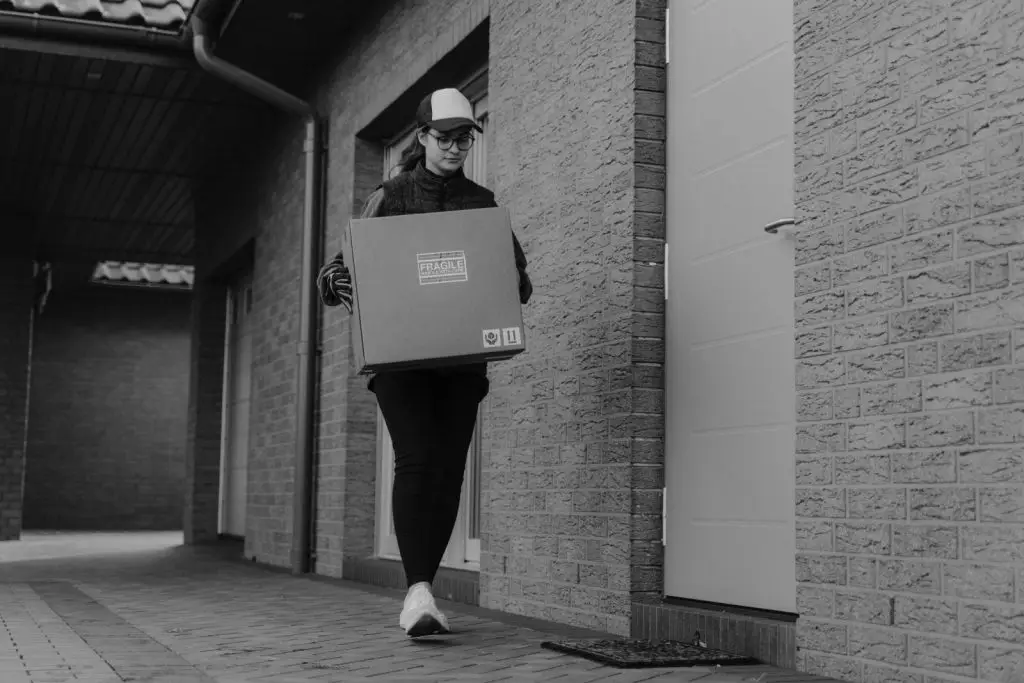
Feeling better during ordinary daily activities does not always mean the body is ready for a full workday. A physical job may require repeated lifting, carrying, reaching, climbing, kneeling, pushing, or sustained positions. Work injury rehabilitation connects recovery to those specific demands rather than relying on pain alone.
>>> Need a rehabilitation plan built around the work you actually do? Schedule your evaluation with our Sandy team.
Job Demands Need to Be Defined Clearly
A delivery driver, nurse, warehouse worker, tradesperson, and office employee face different combinations of load, posture, pace, and repetition. Even two people with the same job title may perform different tasks.
We ask about the injury, current work status, required duties, equipment, shift length, and the activities that remain difficult. A job description or guidance from the care team can help make rehabilitation more specific.
It is also helpful to distinguish occasional tasks from duties performed throughout the shift. Frequency changes the challenge: a load that feels manageable once may require different preparation when it must be moved repeatedly or under time pressure.
Capacity Includes Strength and Endurance
Completing one lift in a quiet room is different from handling repeated tasks while fatigue builds. A person may have enough peak strength but lose movement control or symptom tolerance later in a shift.
Assessment may include relevant ranges of motion, strength, lifting mechanics, balance, and tolerance for repeated or sustained activity. The goal is to identify the gap between current ability and the physical demands that matter most.
We can then prioritize the limitations that most directly affect the worker's role instead of treating every finding as equally important.
This keeps each session connected to a practical purpose the worker can recognize and practice.
Training Progresses From Controlled to Job-Specific
Rehabilitation usually begins at a level the worker can complete with appropriate control. Difficulty can then increase through load, range, repetitions, duration, speed, or task complexity.
Depending on the job, training may include:
- Lifting from floor, waist, or shoulder height
- Carrying objects over a measured distance
- Pushing or pulling against resistance
- Repeated squatting, kneeling, or climbing
- Practicing sustained or awkward positions
These tasks are selected because they resemble real demands, not as a test of toughness.
Technique Should Fit the Workplace
Generic advice to “lift with your legs” may not address a narrow space, an uneven object, or a task that cannot be performed from an ideal position. We look for practical options within the worker’s environment.
That may involve changing foot position, organizing the task, using available equipment, pacing repeated work, or improving strength in a limiting range. Ergonomic ideas are most useful when they reflect the real job rather than a perfect setup that does not exist.
Progress Is Measured Without Guarantees
Useful measures may include load, repetitions, time, distance, symptoms, movement quality, and recovery after a task. Tracking these details helps show what is improving and where limitations remain.
No rehabilitation program can guarantee a particular return date, hiring decision, permanent relief, or freedom from future injury. Return-to-work decisions may involve the worker, healthcare provider, employer, and case manager. Our role is to provide clear findings and structured progression grounded in function.
Prepare for a More Confident Return to Work
Our Work Injury Rehabilitation combines one-on-one care with active participation and job-specific goals. For workers in Sandy and nearby communities, the plan is built around the strength, endurance, and movement their role requires. Schedule your evaluation or call 385-217-5699 to discuss your next step.