Physical Therapy: Effective Alternatives to Surgery
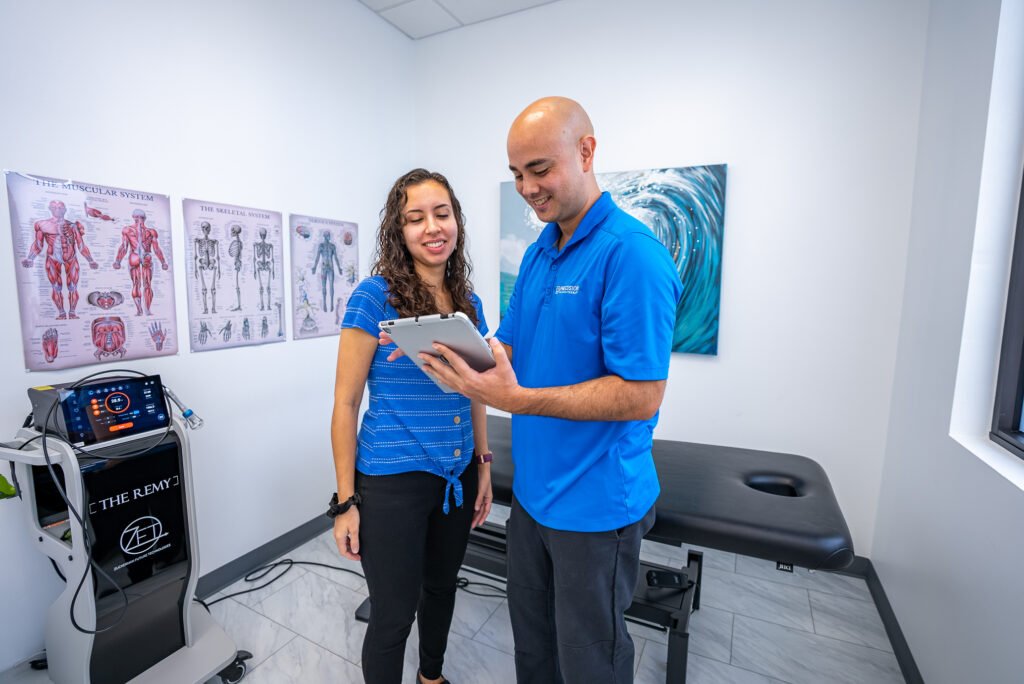
Surgery isn’t always the only option for pain relief. Physical therapy offers a viable alternative. It focuses on non-invasive techniques to manage pain and improve function.
Many people find relief through targeted exercises and advanced treatments. These methods can reduce pain and enhance mobility. Physical therapy can address the root cause of discomfort.
This approach is often more cost-effective and carries fewer risks than surgery. It can be tailored to individual needs, ensuring personalized care. Patients often experience significant improvements in a short time.
Physical therapy can be a powerful tool for recovery. It helps manage chronic conditions and prevent future injuries. Discover how physical therapy can be an effective alternative to surgery.
Understanding Physical Therapy as an Alternative to Surgery
Physical therapy can significantly reduce the need for surgery. It targets pain and mobility issues using tailored exercises and techniques. This approach addresses the underlying causes of discomfort.
Therapy alternatives to surgery include various techniques. These methods enhance recovery without invasive procedures. Patients can often avoid the lengthy recovery times associated with surgery.
Here are a few benefits of physical therapy as an alternative:
- Non-invasive treatments
- Reduced recovery time
- Personalized care plans
Many conditions that typically require surgery can be managed with physical therapy. Joint pain, back pain, and even sports injuries respond well to physical therapy. Patients often see substantial improvements in pain and function.
Expert physical therapists provide one-on-one care to patients. This personalized attention ensures that each session is tailored to the individual’s specific needs. By focusing on precise areas of concern, physical therapy maximizes the effectiveness of each treatment session.
Common Conditions Treated with Physical Therapy Instead of Surgery
Many conditions that seem to need surgery can improve with physical therapy. This approach is versatile and effective. It targets pain relief and promotes healing.
Physical therapists handle a broad range of ailments. Common issues treated include arthritis, back pain, and tendonitis. These conditions often lead to surgery, but therapy offers relief.
Patients with chronic pain conditions find therapy beneficial. Non-surgical treatments improve quality of life significantly. They focus on strengthening muscles and enhancing function.
Here are some conditions commonly managed with physical therapy:
- Osteoarthritis
- Rotator cuff tears
- Herniated discs
- Tennis elbow
- Plantar fasciitis
Therapists design specific exercise plans for each condition. These exercises promote healing and prevent further injury. With regular therapy sessions, most patients see progress quickly.
The holistic nature of physical therapy addresses more than immediate symptoms. It considers overall body health and lifestyle factors. This comprehensive approach supports long-term recovery and wellness.
How Physical Therapy Works: Techniques and Approaches
Physical therapy uses a variety of techniques tailored to each patient’s needs. The goal is to restore function and ease pain effectively. This personalized approach ensures optimal recovery.
Manual therapy is a cornerstone technique. It involves hands-on manipulation of muscles and joints. This helps improve mobility and reduce discomfort significantly.
Another key method is therapeutic exercise. These exercises are crafted to strengthen weak muscles and enhance flexibility. Consistent exercise leads to improved physical functions.
Advanced technologies also play a role in therapy. Techniques like laser therapy and electrical stimulation aid in quicker recovery. These methods reduce inflammation and promote healing.
Here are some common physical therapy techniques:
- Manual therapy
- Therapeutic exercise
- Laser therapy
- Electrical stimulation
- Dry needling
Therapy sessions often incorporate multiple strategies. This integrative approach addresses different aspects of recovery. By doing so, it targets the root cause of pain effectively.
Patients often receive education on self-care too. This empowers them to maintain improvements outside sessions. The combination of professional guidance and self-management promotes sustained recovery. Physical therapy thus serves as a comprehensive alternative to surgery.
Advanced Pain Management Techniques in Physical Therapy
Physical therapy offers advanced techniques for managing pain without surgery. These methods focus on reducing pain while promoting healing. They enhance the body’s natural recovery processes.
One such technique is dry needling. This involves inserting thin needles into trigger points to release tension. It can effectively reduce muscle pain and stiffness.
Cupping therapy is another popular method. It involves placing cups on the skin to create suction. This increases blood flow and promotes healing, reducing pain and inflammation.
Here are some advanced techniques used in pain management:
- Dry needling
- Cupping therapy
- Ultrasound therapy
- Electrical stimulation
Each technique targets different pain sources. By combining methods, therapists can customize treatment plans. This ensures maximum efficacy in managing patients’ pain.
The integration of these advanced techniques into therapy provides a well-rounded approach. These methods facilitate faster, longer-lasting pain relief. Patients often experience significant improvements in their condition quickly.
Benefits of Choosing Physical Therapy Over Surgery
Choosing physical therapy over surgery offers numerous benefits. It provides a non-invasive approach to pain management and recovery, reducing the risks associated with surgery.
Physical therapy often leads to faster recovery times. Patients can return to their daily activities sooner, without the downtime required for surgical recovery.
Another advantage is cost-effectiveness. Physical therapy is typically more affordable than surgery, including associated hospital stays and follow-up care.
Choosing physical therapy offers several benefits, including:
- Non-invasive treatment methods
- Faster recovery times
- Cost-effectiveness
- Tailored treatment plans
Customized care is a key benefit of physical therapy. Therapists develop personalized plans to address specific needs and conditions.
This individualized approach ensures that therapy is aligned with patients’ personal recovery goals. Physical therapy not only addresses pain symptoms, but it also enhances overall physical function and quality of life. Patients often experience improved mobility, strength, and flexibility, leading to better long-term outcomes.
Comparing Outcomes: Physical Therapy vs. Surgery
When considering physical therapy versus surgery, outcomes vary significantly. Physical therapy emphasizes non-invasive methods, leading to fewer complications.
Patients often experience shorter recovery times with therapy. Reduced downtime enables quicker returns to work and daily activities.
In contrast, surgeries often involve longer recoveries and may present complications. However, surgery might be necessary for certain conditions.
Notably, physical therapy can also complement surgical recoveries, improving outcomes. This combination enhances healing and reduces post-surgery complications.
Key considerations in outcome comparison:
- Recovery time and associated downtime
- Risk of complications
- Long-term effectiveness
- Need for ongoing therapy or follow-ups
Physical therapy is beneficial in addressing chronic conditions and enhancing quality of life. Meanwhile, surgery might be essential for acute or complex conditions.
Ultimately, the choice between physical therapy and surgery should consider individual goals, medical advice, and personal circumstances. Each patient’s journey to recovery is unique, and the optimal choice varies accordingly.
When Surgery May Still Be Necessary
While physical therapy offers many advantages, surgery is sometimes unavoidable. Certain conditions do not respond sufficiently to non-invasive treatments.
These instances might include:
- Severe structural damage
- Conditions requiring immediate intervention
- Cases with a high risk of permanent impairment
In such scenarios, surgery can provide immediate relief and repair. It’s crucial to consult with a healthcare provider to assess all available options.
A comprehensive evaluation, considering the severity and nature of the condition, will guide the decision. Surgery might be the best solution when advanced physical therapy and other non-surgical methods cannot effectively address the issue.
How to Decide: Factors to Consider Before Choosing Surgery
Deciding whether to pursue surgery or opt for physical therapy requires thoughtful consideration. Evaluating several key factors can guide your decision.
Consider the following aspects:
- Severity of pain and symptoms
- Recovery time expectations
- Personal health and medical history
Discussing your condition with a healthcare professional is crucial. They can provide valuable insights and recommendations based on clinical evidence.
Additionally, weigh the potential risks and benefits of each option. Consider how each treatment aligns with your long-term health goals and lifestyle preferences.
What to Expect from a Precision Physical Therapy Program
Entering a precision physical therapy program means receiving personalized care tailored to your unique needs. Expect focused sessions with expert therapists aiming for optimal outcomes.
During your sessions, the therapists will:
- Assess your current condition
- Create a customized treatment plan
- Adjust strategies as progress is made
Therapists will utilize advanced techniques like dry needling or manual therapy to enhance recovery. You’ll be guided through exercises designed to strengthen and improve mobility while addressing specific issues.
Throughout your program, consistent communication ensures that your therapy evolves with your progress. This approach maximizes recovery potential and helps achieve lasting pain relief without surgery.
Frequently Asked Questions about Physical Therapy Alternatives to Surgery
Many people have questions about choosing physical therapy over surgery. Common concerns include effectiveness, duration, and potential risks.
Here are some frequently asked questions:
- Is physical therapy effective for chronic pain? Yes, it’s shown to reduce pain significantly and improve function.
- How long will therapy take to see results? Most patients notice progress within a few sessions.
- Are there risks with physical therapy? It’s generally safe with minimal risk, especially compared to surgery.
Conclusion: Taking the Next Step Toward Recovery Without Surgery
Choosing physical therapy over surgery offers a safe, effective path to pain relief and recovery. With targeted exercises and personalized care, you can manage pain without invasive procedures.
At Precision Physical Therapy, we focus on helping you achieve your recovery goals efficiently. Take your first step towards a healthier, pain-free life by exploring physical therapy as a viable alternative today.