Multi-Disciplinary Care: Why Collaboration Improves Workers’ Compensation Recovery
Work-related injuries are common in many industries, and employees who sustain them often require a well-coordinated approach to achieve a full and lasting recovery. While physical therapy is a cornerstone of rehabilitation for those injured on the job, a truly comprehensive plan goes another step further: a multi-disciplinary strategy. By incorporating the expertise of physical therapists, surgeons, primary care providers, mental health professionals, and case managers, this team-based model ensures that injured workers receive individualized and effective solutions. In addition to physical healing, it addresses emotional, logistical, and clinical needs to help patients regain their function and return to work with confidence.
The Importance of a Team-Based Approach
Many employees choose or are recommended for physical therapy following work injuries. However, even the best physical therapy program can fall short if the patient’s other medical and non-medical needs are not met in a timely, cohesive manner. A surgeon might provide guidelines on post-operative movement, a primary care physician might oversee medication management, and a mental health professional could address issues like anxiety or depression that can arise when someone is off work for an extended time. When every provider is connected and updated about the patient’s progress, each aspect of treatment more effectively supports the others.
Multi-disciplinary care also fosters a sense of empowerment for patients, as they see that professionals across multiple specialties are cooperating to help them heal. This can be crucial for motivation, which is often a decisive factor in adherence to physical therapy protocols. An injury not only disrupts a person’s physical well-being but can also create emotional and financial stress. Knowing there is a network of experts—each with a unique role—can significantly reduce fear and uncertainty, encouraging the patient to follow through with recommended treatments and to maintain open communication if something changes in their condition or personal life.
Physical Therapists: The Hands-On Experts
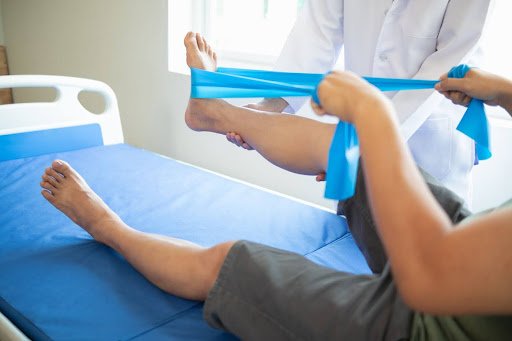
Within a multi-disciplinary framework, physical therapists take the lead in designing exercise routines and manual therapy techniques aimed at restoring function and reducing pain. At Precision Physical Therapy, therapists are specifically trained to evaluate each patient’s biomechanics and functional limitations. They devise individualized plans that may include progressive resistance exercises, range-of-motion activities, or neuromuscular re-education, depending on the nature of the injury. By working closely with other providers, physical therapists can modify or refine a plan if the patient undergoes surgery or needs medical clearance for certain exercises.
Surgeons and Primary Care Doctors: Guiding Medical Decisions
In some cases, a work-related injury necessitates surgical intervention. Surgeons generally want to ensure that procedures performed—whether minimally invasive or more extensive—are followed by proper rehabilitation. Multi-disciplinary collaboration means surgeons have a direct line to physical therapists, enabling them to exchange crucial details: the precise tissues repaired, recommended timelines for weight-bearing or strengthening, and any unique risks the patient might face. This seamless passing of information facilitates individualized therapy schedules that match the demands of any post-surgical protocols.
Primary care physicians also play a key role in ensuring a patient’s overall health. They manage underlying conditions such as high blood pressure or diabetes, which can affect recovery speed. By remaining in regular contact with the physical therapist and other specialists, a primary care doctor can adjust medications to reduce inflammation or pain, coordinate lab tests, and watch for early signs of complications. Their broad perspective on the patient’s health complements the specific focus of other providers, helping to maintain the balance needed for holistic recovery.
Mental Health Professionals: Overcoming Emotional Hurdles
Recovering from an occupational injury sometimes reveals or intensifies mental health challenges. Pain, forced time away from work, financial concerns, and worries about job security can lead to anxiety or depression. While physical therapists provide valuable support and encouragement, some individuals benefit greatly from additional sessions with mental health professionals such as psychologists or counselors. By addressing the emotional aspect of injury and rehabilitation, counseling can improve motivation, enhance adherence to treatment plans, and reduce stress-related complications.
A multi-disciplinary team recognizes mental health care not as an optional add-on, but as an integral part of the healing process. If a patient reports difficulty coping or exhibits signs of psychological distress, the team can promptly refer them for a mental health evaluation. Continual communication among all providers ensures that treatment recommendations—whether therapy sessions or coping strategies—are integrated into the patient’s daily routine. This synergy paves the way for better clinical outcomes and lower rates of re-injury.
Case Managers: Championing Coordination and Patient Rights
Case managers serve as the essential link that keeps everyone in sync. Their primary role is to manage the flow of information and appointments, ensuring that physical therapy sessions, doctor visits, and any other necessary evaluations happen in a timely manner. By supervising the overall treatment plan, case managers make it less likely that the patient misses crucial medical clearances or fails to follow through on therapy sessions.
Beyond simply scheduling and coordination, case managers also help patients navigate the workers’ compensation process, which can be complex. They advocate for patient rights, assist with insurance paperwork, answer questions regarding workers’ compensation claims, and verify coverage to minimize delays in care. If communication breaks down at any point in the chain, case managers step in to rectify misunderstandings and facilitate alignment among all parties. They are, in essence, the logistical and administrative backbone of a multi-disciplinary team approach.
For more information about the comprehensive strategies we employ to help individuals regain their mobility and quality of life, explore our services at Precision Physical Therapy. We are dedicated to guiding you through every step of your recovery and ensuring that you receive the full benefit of multi-disciplinary care. When every voice on the healthcare team is heard and integrated, patients can recover with greater confidence and return to the workforce equipped with both physical and mental readiness. That is the true power of collaboration—an approach that goes beyond healing injuries and extends to reclaiming lives.