How to Treat a Pulled Muscle in Groin
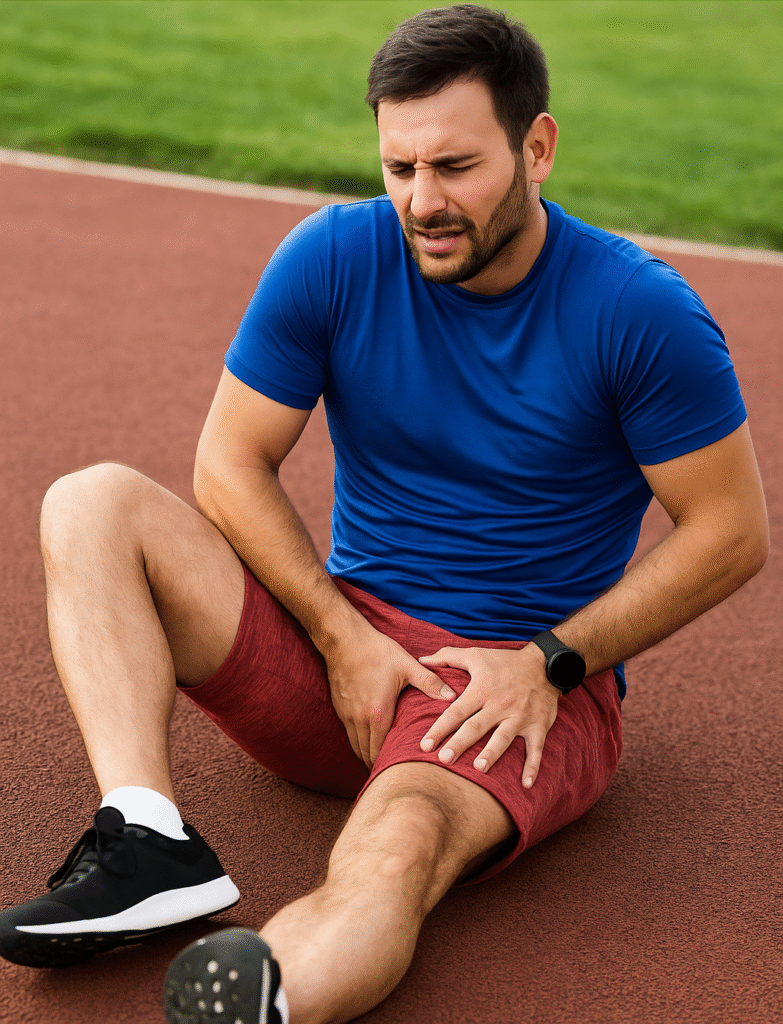
A groin pull may cause discomfort and restrict everyday activities, particularly when the inner thigh or hip region is affected. Groin muscle injury sometimes occurs as a result of playing sports, making sudden movements, or overstretching; regardless of the cause, it should be adequately taken care of to promote recovery. Learn more about how to treat a pulled muscle in the groin.
Knowing the causes, symptoms, and possible ways of treatment will help you take the proper actions from the start. Precision Therapy specializes in the groin injury rehab program, where we combine pain treatment with progressive reinforcement and prevention plans.
Even serious strains can be cured with some appropriate treatment. An understanding of how to stabilize and protect your groin when active, according to the groin strain grade, is an informed category for recovery that is safe and long-term.
Causes of a Groin Muscle Injury
When the adaptive muscles running along the inner thigh are stretched beyond their usual flexibility, or when a high-intensity force is sudden, groin strains can happen. This tearing or overstretching commonly occurs when there is a rapid change of direction, when you explode, or when you lift heavy things.
Common causes include sports activities such as soccer, hockey, and basketball, since they involve rapid changes in direction. Joint overloading, in working as martial arts or dance, lifting weights incorrectly, running and skating (repetitive strain), or failure to warm up before a strenuous effort, are also factors that may cause injury. Such cases may result in small tears to those fibers of the muscle or, in severe situations, full rupture.
Symptoms of a Pulled Groin
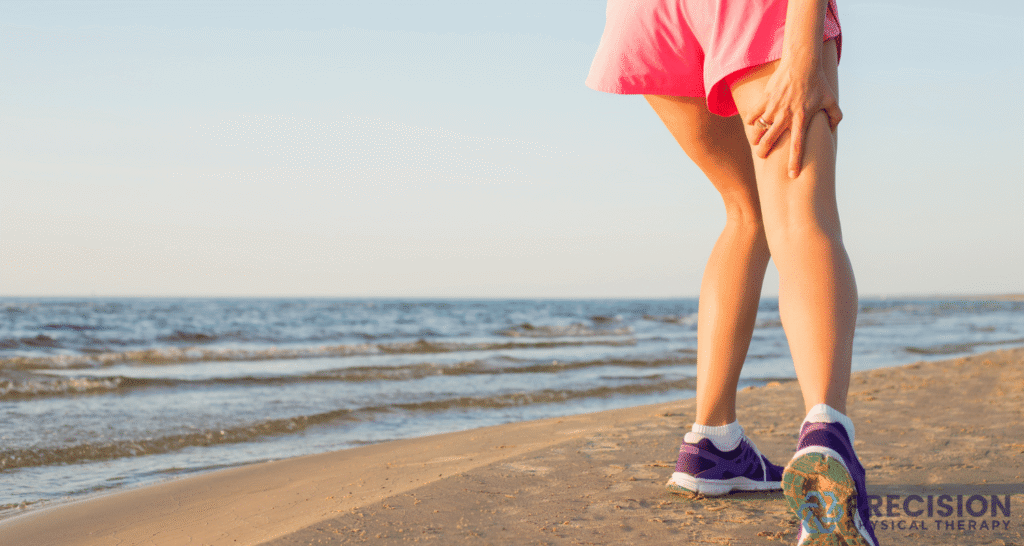
It is necessary to diagnose a groin muscle injury as soon as possible before the progression of further injury and to facilitate better recovery. It could be painful (acute or aching) in the inner thigh, swollen, bruised, stiff, or weak.
Others get a sensation at the time of impact, whereby a popping feeling is sensed, and the leg becomes difficult to move. While moderate pain may subside in a short time, serious injuries will need professional help to recover efficiently.
Grades of Groin Strain
The clinicians divide groin strains into three grades depending on the level of muscle rupture. Grade 1 or mild strain entails small overstretching or microscopic tears, causing mild pain and minimal functional losses.
Grade 2 or moderate strain is a partial tear in the muscle that causes some visible pain, muscle swelling, loss of some strength, and, in many cases, it appears bruised after a couple of hours of the injury.
Grade 3, or severe strain, involves a full tear in the muscle, most often accompanied by extreme feelings of pain, massive swelling, and massive amounts of bruising so that it is almost impossible to move.
It is important to know the grade of the injury because it assists in establishing treatment and the recovery period.
Tests for Diagnosing a Groin Injury
Healthcare professionals combine physical tests and imaging scans to sort out the extent of a groin injury. They can analyze the range of motion, test the tenderness, and test the muscle strength.
To identify the precise location and the magnitude of the damage to muscles, ultrasound or MRI scans are usually used. Other tests can also be conducted to assess the reaction of the groin when under controlled motion, referred to as functional tests. These are the diagnostic interventions necessary in the development of an effective treatment plan.
Treatments for a Pulled Groin Muscle
Therapy will start with immediate care in the initial 48 hours, where the initial treatment is aimed at rest, ice application to reduce swelling, compressing the leg to control swelling, and elevating the leg to increase blood flow.
The medication can relieve pain through the use of over-the-counter anti-inflammatory drugs according to medical direction. Physical therapy is very important as it helps to regain strength, flexibility, and normal functioning through stretching, strengthening, core stability exercises, and sport-specific training.
As an individual returns to activity, a slow and progressive return is an important part to prevent reinjury, and progression is based on pain-free movement and regained strength.
Groin Injury Rehab Timeline
Rehabilitation should rely on the extent of injury, the general health of the person, and their compliance with the treatment procedure. Mild strains could recover in one to two weeks. Moderate strains usually need four to eight weeks of rehabilitation; severe strains or full tears need more time.
However, it may require three to six months when surgery is involved. Compliant treatment, proper technique when using muscles, and adequate rest play a significant part in the rate of groin healing.
Groin Support During Recovery
Wraps or a pair of compression shorts should also be used to stabilize the groin, minimize strain, and achieve warmth to improve blood flow. Such assistance is particularly helpful at the later phases of rehabilitation or in resuming sporting activities.
Groin Injury Prevention Strategies
Future groin injuries can be prevented by warming up prior to the activity, stretching hip and thigh flexibility, strengthening core muscles and adductor muscles, not increasing training intensity drastically, and putting on appropriate footwear for the sport or activity.
When to Seek Medical Help
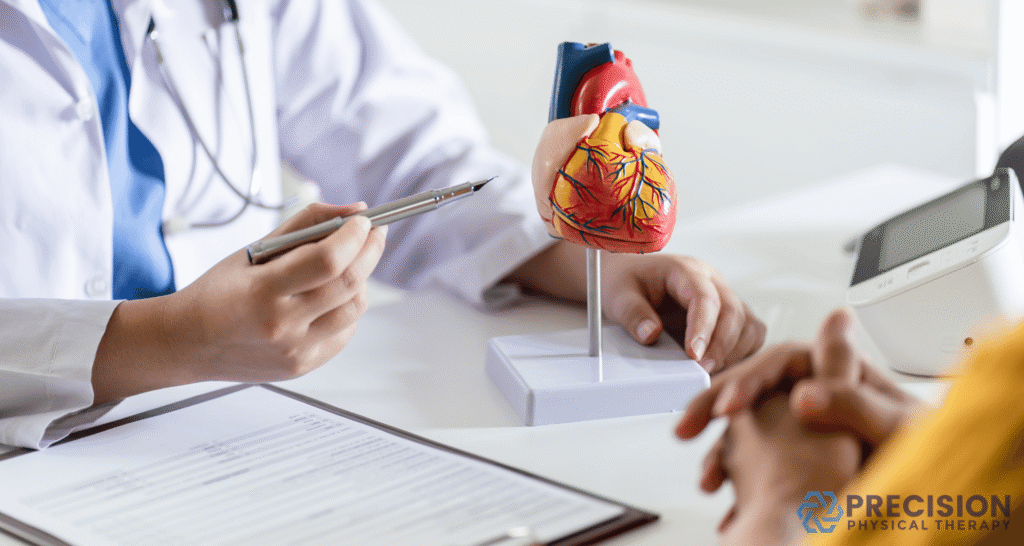
Severe pain, large swelling or bruising, inability to walk or bear no weight, and a popping sound when the injury occurs should prompt seeking medical attention. Symptoms that do not improve after a week are also to be evaluated. Quick diagnosis and care will prevent the development of complications and the likelihood of constant weakness.
Conclusion
A pulled groin muscle should be treated via proper diagnosis, intensive rehabilitation, and adherence to the recovery process. Since the initial pain control, all the stages of gradual physical rehabilitation help to recover safely and long-term.
Knowledge of the levels of injury and implementation of preventive measures minimizes future chances of the condition recurring. Precision Therapy offers bespoke groin injury rehabilitation programmes to regain strength, mobility, and confidence, to promote the ability to resume normal activities and sports risk-free.
FAQs
How long does it take for a pulled groin muscle to heal?
The healing period depends on the level, as a mild strain can last one to two weeks, a moderate strain lasts four to eight weeks, and a severe tear can last three to six months and even longer, where surgery is needed.
What does a pulled groin muscle feel like?
The affected region of the inner thigh is usually tender and painful, weak, swollen, and radiates sharp pain, but with a feeling that it pops at the time of the injury.
What do doctors do for a pulled groin?
Physicians can prescribe rest, ice, compression, physical treatment, medications, anti-inflammatories, and even scans or operations in case of extreme situations when torn fibers of the muscles require repairing.
What can be mistaken for a pulled groin?
It is important to differentiate a hip labral tear, a sports hernia, hip flexor strain, abdominal muscle injury, and nerve compression since they can resemble a groin strain.