
How Long Does a Groin Injury Take to Heal? Recovery Time, Treatment & Prevention
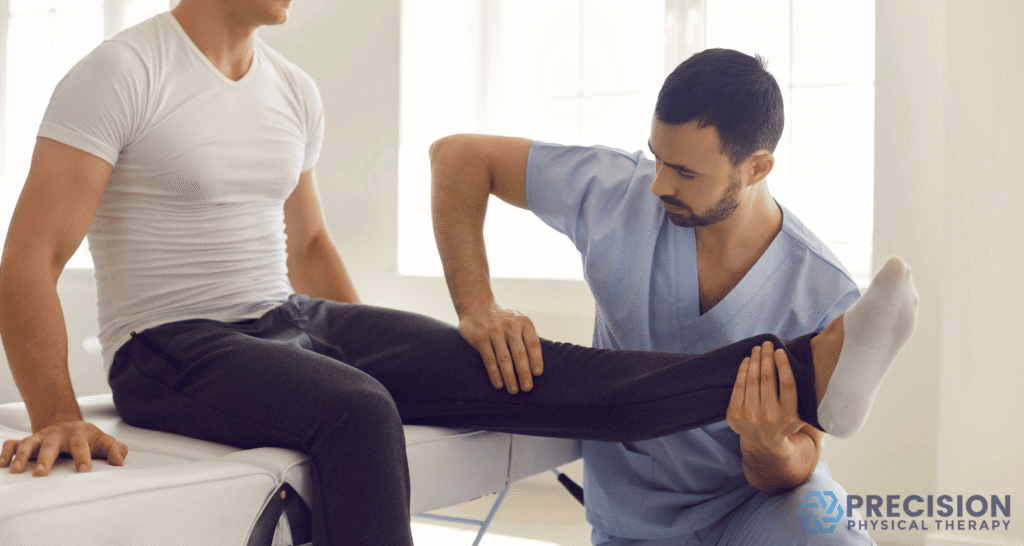
Groin injuries can be frustrating—whether from sports, exercise, or sudden daily movements. The pain and limited mobility can disrupt your routine, leaving you wondering: How Long Does a Groin Injury Take to Heal?
The severity of the strain, your treatment approach, and your commitment to rehab all influence your recovery timeline. At Precision Therapy, we know every groin strain is unique, which is why we design personalized recovery plans to help you return to pain-free movement as quickly and safely as possible.
What Is a Groin Injury?
A groin injury typically involves the hip adductor muscles along your inner thigh. These muscles:
- Pull your legs together
- Stabilize your pelvis during movement
When overstretched or overloaded, muscle fibers can tear, causing pain, swelling, and stiffness.
Common causes include:
- Sudden changes in direction (e.g., soccer, hockey)
- Overstretching during workouts or yoga
- Direct impact to the inner thigh
- Repetitive stress from running or jumping

Groin Injury Severity Levels
Grade 1:
- Mild strain, minimal tearing
- Mild discomfort
Grade 2:
- Moderate strain, partial tear
- Noticeable pain and swelling
Grade 3:
- Severe strain, complete tear
- Often requires surgery and long recovery
Average Groin Strain Recovery Times
Your recovery time depends on the injury grade, age, fitness level, and rehab compliance:
- Grade 1 (Mild): 1–2 weeks
- Grade 2 (Moderate): 4–8 weeks
- Grade 3 (Severe): 3–6 months (longer if surgery is needed)
Younger, fitter individuals often heal faster, while limited flexibility or pre-existing hip issues can slow progress.
Related Groin Injuries & Recovery Times
Hip Adductor Strain:
Similar timeline to a groin strain but may require targeted muscle balancing exercises.
Overuse Groin Injury:
May take 8–12 weeks or more to heal due to repeated microtrauma.
Pulled Inner Thigh:
Mild strains heal in a couple of weeks; severe ones take longer. Early diagnosis is key.
Torn Groin Symptoms
Seek evaluation if you notice:
- Sudden sharp pain in the inner thigh/groin
- Swelling or bruising
- Weakness when squeezing legs together
- Popping or snapping sensation at injury onset
Groin Injury Rehab Timeline
Week 1–2:
- Rest, ice, compression, elevation (RICE)
- Gentle range-of-motion exercises (hip circles, light walking)
- Avoid aggressive stretching
Week 3–4:
- Light groin stretches (butterfly stretch, side lunges)
- Begin light resistance adductor exercises
Week 5–8:
- Progress to sport-specific drills
- Strength-focused moves (resisted side steps, bridges, stability ball squeezes)
Week 9+:
- Full return to activity once strength and mobility match the uninjured side
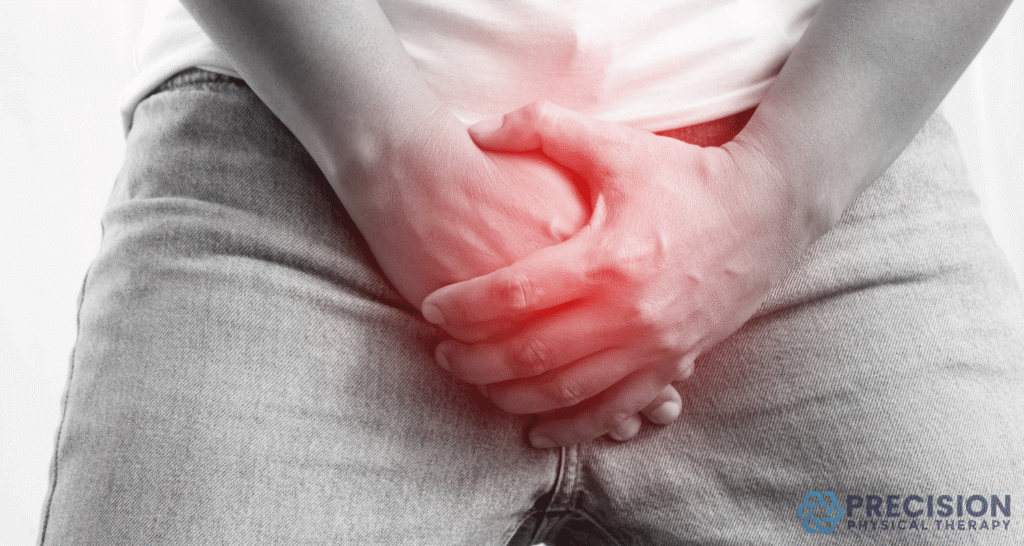
Treatment Options
Initial Care:
- Ice to reduce swelling
- Compression with wraps or shorts
- Elevation to minimize inflammation
Rehabilitation:
- Physical Therapy to restore safe movement patterns
- Gradual Strengthening to avoid reinjury
- Sports Massage to reduce scar tissue
Pulled Groin Stretches & Exercises
Stretches:
- Butterfly Stretch – Sit with soles of feet together, knees out
- Side Lunge Stretch – Step to one side, bend one knee, keep other leg straight
- Wide-Leg Forward Fold – Lean forward gently to stretch inner thighs
Exercises:
- Adductor Squeezes – Squeeze a ball or pillow between knees
- Side-Lying Leg Lifts – Strengthen inner thigh without overload
- Hip Bridges – Build glute and hamstring strength to support groin
Hamstring Connection
The hamstrings and hip adductors often work together in sports. Weakness or stiffness in one group can overload the other, so rehab should target the entire hip-pelvic complex.
Prevention Tips
To reduce the risk of future groin injuries:
- Warm up thoroughly before sports
- Strengthen hips, core, and legs
- Avoid sudden increases in training intensity
- Maintain flexibility through regular stretching
Conclusion
Groin injury recovery is a gradual process that depends on severity, early treatment, and consistent rehab.
- Mild strains can heal in 1–2 weeks
- Moderate strains in 4–8 weeks
- Severe tears may take 3–6 months
Knowing the rehab stages helps set realistic expectations and ensures a safe return to activity. At Precision Therapy, we guide you through every step so you can regain full strength, mobility, and confidence without fear of reinjury.
FAQs
How do I know if my groin injury is serious?
If pain is severe, swelling or bruising is present, or you can’t move your leg normally, seek medical evaluation.
What is the quickest way to heal a groin injury?
Follow the RICE method for 48 hours, then begin gentle mobility work and guided physical therapy.
How long does a bad groin tear take to heal?
Severe tears can take 8–12 weeks or up to 6 months if surgery is required.
What can be mistaken for a pulled groin?
Hip labral tears, sports hernias, abdominal strains, or nerve irritation can mimic groin strain symptoms.