Essential Guide to Post-Surgery Physical Therapy
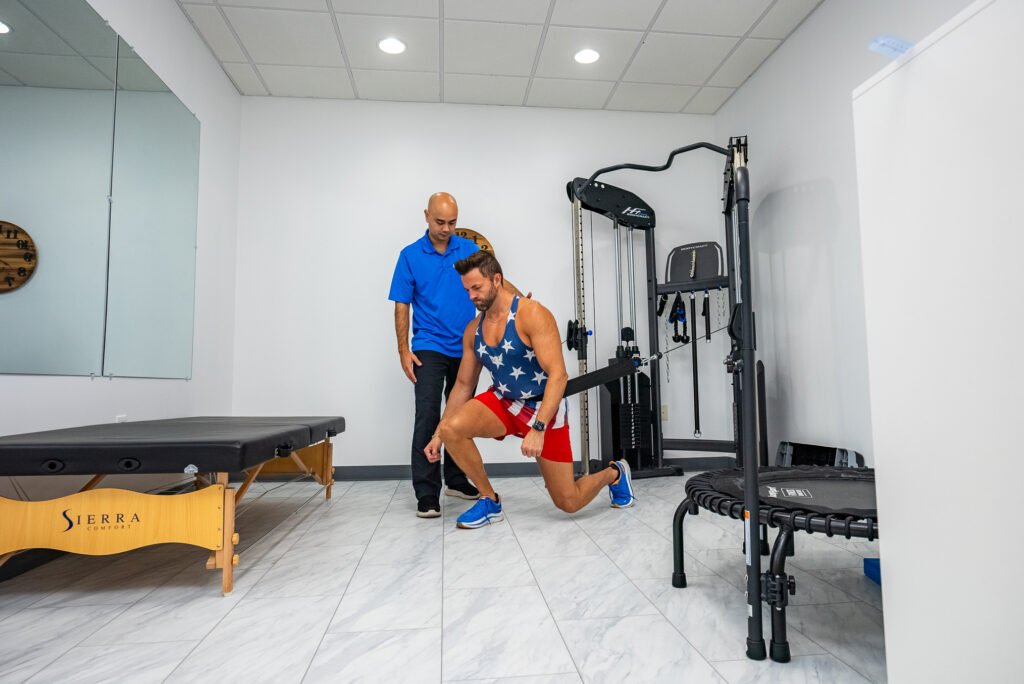
Post-operative physical therapy, often abbreviated as PT after surgery, involves a series of exercises and treatments designed to help patients recover from surgical procedures. The goal is to improve mobility, restore joint function, strengthen muscles, reduce pain, and enhance overall function. Pain management is a crucial component of post-surgical rehabilitation, utilizing techniques such as cold and heat application, massage, and other modalities to manage pain and discomfort. This type of therapy is particularly crucial because it addresses the physical limitations that can arise following a surgical intervention, helping patients navigate through the challenges of recovery with greater ease.
Physical therapy after surgery is tailored to each individual’s specific needs, taking into account the type of surgery, the patient’s current health status, and their personal recovery goals. This personalized approach ensures that therapy is both effective and safe, minimizing the risk of injury and maximizing the benefits of each session. By focusing on personalized care, physical therapists can adapt their techniques and exercises to better suit the unique requirements of each patient, ultimately facilitating a smoother and more efficient recovery process. Personalized treatment plans are developed to address the patient’s condition, ensuring that care is tailored to their specific health status and recovery needs.
Therapy after surgery is crucial for several reasons:
- Improved Mobility: Surgery often leads to stiffness and reduced range of motion. Physical therapy helps to regain and improve movement, with restoring joint function as a key goal. It works by gradually increasing the flexibility of the affected areas, allowing for a more comprehensive recovery. This improvement in mobility is essential for resuming daily activities and maintaining an active lifestyle post-surgery.
- Pain Reduction: Targeted exercises and treatments can alleviate pain and discomfort. Techniques such as manual therapy and electrical stimulation are often employed to manage pain effectively, ensuring that patients can engage in their rehabilitation without undue discomfort. Reducing pain and managing pain are vital aspects of therapy, boosting patient morale and encouraging continued participation in recovery exercises.
- Strengthening Muscles: Surgery can weaken muscles. PT helps in rebuilding strength and endurance. By incorporating resistance training and other strengthening exercises, patients can regain lost muscle mass, focus on regaining strength, and enhance their overall muscle strength and physical resilience. Strengthening muscles not only aids in recovery but also protects against future injuries and addresses weak muscles that may result from surgery.
- Faster Recovery: Engaging in physical therapy can speed up the recovery process, allowing you to return to daily activities sooner. Consistent therapy sessions and adherence to prescribed exercises accelerate healing by improving circulation and promoting tissue regeneration. This proactive approach to recovery often results in shorter rehabilitation times and improved outcomes, supporting your overall well being and physical health.
- Preventing Complications: Regular movement and exercises reduce the risk of blood clots and other post-surgical complications. By maintaining an active regimen, patients can significantly lower the likelihood of experiencing adverse side effects associated with prolonged immobility, such as infection, muscle atrophy, and other complications. This preventative measure is an integral part of a comprehensive post-operative care plan.
A physical therapist is a trained professional who will guide you through your recovery process. They will assess your condition, develop a personalized treatment plan, and provide hands-on assistance to help you achieve your recovery goals. Their expertise is invaluable in ensuring that each patient receives the most appropriate care tailored to their specific needs, ultimately leading to a more effective rehabilitation experience. Physical therapists understand the body’s natural response to surgery, such as swelling and muscle tightening, and design an effective treatment plan to facilitate optimal healing.
Your physical therapist will:
- Evaluate your physical condition and discuss your surgical procedure. They will take the time to understand your medical history and the specifics of your surgery, which is crucial for tailoring the therapy plan to your unique situation. This initial evaluation sets the foundation for a successful therapy journey.
- Create a customized therapy plan focusing on exercises and treatments that align with your recovery objectives. Each therapy plan is designed to address the particular challenges you face post-surgery, ensuring that your recovery is as efficient and effective as possible. This tailored approach helps in targeting specific issues, such as mobility restrictions, reduced mobility, or muscle weaknesses.
- Monitor your progress and adjust your therapy plan as needed. Regular assessments allow your therapist to track your improvements and make necessary modifications to your treatment plan. This adaptability ensures that you are consistently on the right path toward recovery.
- Provide education on proper movement techniques and exercises to perform at home. Empowering patients with knowledge is a critical component of physical therapy. By teaching you how to perform exercises safely and effectively at home, your therapist enables you to take an active role in your recovery process.
- Offer support and encouragement throughout your recovery journey. The emotional and motivational support from your therapist can be just as important as the physical guidance they provide. Their encouragement helps to keep you motivated and focused on achieving your recovery goals.
- Manual Therapy: Hands-on techniques to improve mobility, reduce pain, and promote healing. This approach often includes massage, joint mobilization, and manipulation techniques that are tailored to the patient’s specific needs. Manual therapy is effective in breaking down scar tissue, addressing scar tissue formation, and increasing flexibility, especially in soft tissues and soft tissue structures.
- Therapeutic Exercises: Specific exercises designed to strengthen muscles and improve flexibility. These exercises are crucial for restoring function and enhancing overall physical condition. They are carefully selected to ensure they target the right muscle groups without causing undue strain. Physical therapy exercises and stretching exercises are important for restoring mobility, flexibility, and preventing scar tissue buildup. Therapy often begins with gentle movements, especially considering the delicate nature of healing tissues after surgery.
Different surgical procedures require different approaches to physical therapy. Here are a few examples of common surgeries:
- Joint Replacement Surgery: Focus on restoring joint mobility and strength. Therapy often involves exercises that increase range of motion and improve joint stability, helping patients regain independence in their daily activities. This includes hip replacement and knee replacement procedures, where tailored rehabilitation is essential.
- Spinal Surgery: Emphasis on core strengthening and improving posture. Rehabilitation focuses on exercises that enhance spinal alignment and support, crucial for reducing strain on the back and preventing future issues. Spine surgery, including spinal fusion, requires specialized protocols to restore spinal stability and function.
- Abdominal Surgery: Gentle exercises to regain core strength and flexibility. Post-operative therapy for abdominal surgery often includes breathing exercises and light stretches, aiding in recovery without placing undue stress on the healing tissues.
- Orthopedic Surgery: Customized exercises to restore function to the affected area. Therapy is tailored to address specific injuries or conditions, ensuring that each patient receives the most effective treatment for their particular needs. This includes procedures such as hip surgery, knee surgery, rotator cuff repairs, and other orthopedic surgeries.
When preparing for your first physical therapy session:
- Wear comfortable, loose-fitting clothing that allows freedom of movement. This is important for performing exercises and movements without restriction, ensuring you can participate fully in your therapy session.
- Bring your post-operative instructions and any medical records related to your surgery. Having this information on hand allows your therapist to better understand your medical history and tailor the therapy accordingly.
- Prepare a list of questions or concerns to discuss with your therapist. This ensures that you address any uncertainties you may have about your recovery, allowing for a more informed and confident approach to therapy.
Work with your physical therapist to establish clear, achievable goals for your recovery. Setting realistic expectations will help you stay motivated and focused on your progress. By understanding the timeline of your recovery and setting attainable milestones, you can better track your improvements and celebrate each success along the way. Establishing these goals also provides a sense of direction and purpose, making it easier to stay committed to your therapy regimen. Your therapist will help you adjust these goals as needed, ensuring that they remain relevant and challenging throughout your recovery journey. Key objectives include restore range of motion and improve balance, which are essential for regaining full function.
Maintaining regular attendance at physical therapy sessions and diligently doing prescribed exercises at home are crucial for a successful recovery. Follow your therapist’s recommendations diligently to achieve the best results. Regular practice helps reinforce the techniques learned during therapy sessions, leading to more significant improvements in mobility and strength. Tailored exercises are developed for your specific needs, and therapists work closely with you to ensure proper technique and progression.
By maintaining a consistent routine, you also reduce the risk of setbacks and ensure a steady progression in your recovery. This commitment to consistency is a crucial factor in achieving your rehabilitation goals.
Pay attention to how your body responds to therapy. While some discomfort is normal, sharp pain or significant swelling should be reported to your therapist immediately. Listening to your body helps prevent overexertion and potential injury, ensuring that your recovery remains on track. Being aware of your body’s signals allows you to adjust your therapy regimen as needed, working with your therapist to find the right balance between pushing your limits and ensuring your safety. This mindfulness is essential for a healthy and effective recovery. Physical therapists understand the body’s natural response to surgery, such as swelling and muscle tightening, and use this knowledge to guide your healing process.
Recovery takes time, and it’s important to maintain a positive attitude. Celebrate small milestones and be patient with the process. Recognizing your achievements, no matter how minor they may seem, helps boost your morale and keeps you motivated to continue your therapy. Patience is equally important, as recovery can sometimes be slower than expected. By staying positive and focused on your long-term goals, you can navigate the challenges of post-surgery rehabilitation with resilience and determination. The healing journey is gradual and personalized, with each step contributing to your overall progress and well being.
Post-surgery physical therapy is an essential component of a successful recovery. By understanding the role of therapy after surgery and actively participating in your treatment plan, you can regain strength, improve mobility, and return to your normal activities with confidence. Embracing the rehabilitation process with dedication and openness can lead to significant improvements in your quality of life, daily living, and help you lead an active life. Achieving full recovery is possible with commitment and professional guidance.
Remember, your physical therapist is your partner in this journey, providing the expertise and support needed to help you achieve your recovery goals. Embrace the process, stay committed, and look forward to a healthier, more active future. With the right mindset and the guidance of your therapist, you can overcome the challenges of post-surgery recovery and emerge stronger and more resilient than before. Postoperative rehabilitation, post-surgical rehabilitation, and post-surgical physical therapy are structured, multi-phase processes designed to optimize your healing process, reduce stress, and prevent complications such as scar tissue formation, weak muscles, and other complications. Sports physical therapy is also available for athletes or active individuals, focusing on restoring function and facilitating a safe return to activity after surgery.