
7 Powerful Facts About Pulled Chest Muscles (and How to Recover Faster)
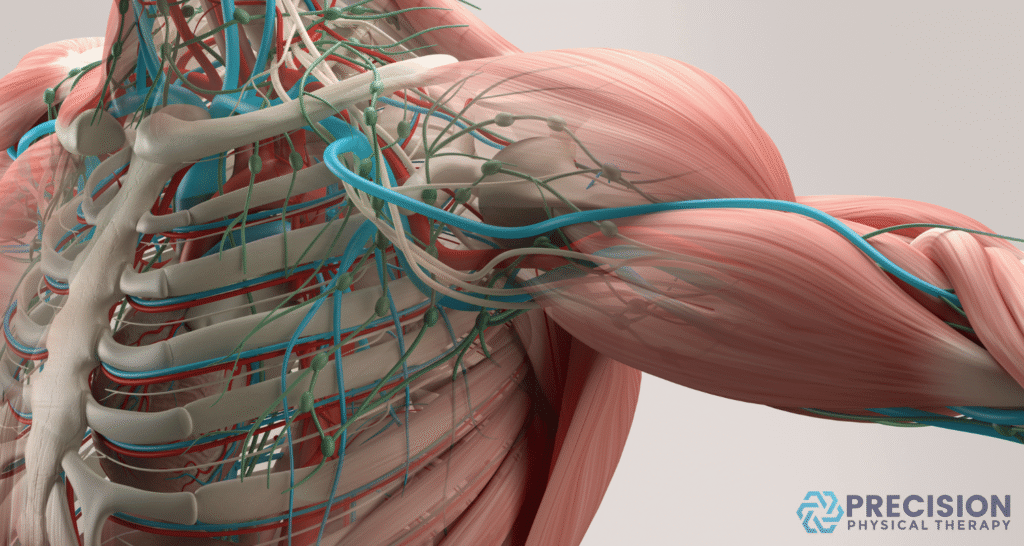
Pulled chest muscles can be painful and alarming—especially since chest pain is often linked to heart problems. A pulled chest muscle refers to an injury in the chest area. Understanding the symptoms, causes, and treatment of a strained chest muscle can help you recover faster and prevent future injury.
In this guide, we’ll cover the top facts you need to know, plus expert-backed recovery tips.
1. Yes—You Can Pull a Muscle in Your Chest
The chest muscles, including the pectoralis major, pectoralis minor, and intercostal muscles, are essential for breathing, posture, and upper body movement. The pectoralis major muscle is a large muscle in the chest area responsible for arm movement. It attaches to the upper arm and arm bone (humerus), and is commonly involved in chest injuries.
A pulled chest muscle (also called a muscle strain) happens when these muscles are overstretched or torn. This can occur suddenly during:
- Heavy lifting
- Twisting movements
- Sports activities, especially those involving contact sports
- Lifting heavy objects
- Strenuous exercise
- Repetitive motions, especially those involving the upper body
An acute pull can cause sharp pain and may result in small tears in the muscle fibers of the chest wall. Mild strains are considered a minor injury with mild damage, while more severe strains can cause extensive damage. Intercostal muscle strain is a specific type of chest muscle injury, often affecting the upper ribs.
Other rare causes of chest wall pain include sternalis syndrome, and pain can also originate from the costochondral joints, costovertebral joints, or sternoclavicular joint. Pain may be felt in the chest cavity and can be accompanied by muscle spasms. Applying pressure to the affected area can help identify the source of pain, and pain experienced during a deep breath is a common symptom. Chest wall pain can also be caused by xiphoid process pain.
Note: Symptoms such as racing pulse, heart attack, or pulmonary embolism require immediate medical attention and a visit to the emergency room.
Symptoms can range from a mild ache to sharp, movement-restricting pain.
2. Common Symptoms of a Pulled Chest Muscle
The signs vary depending on the severity:
Mild Strain
- Dull ache or tightness
- Mild tenderness
- Slight stiffness
A mild strain is a minor injury that involves mild damage to the muscle fibers. In some cases, small tears may develop in the muscle fibers, resulting in pain that is localized to the affected area (affected area pain).
Moderate Strain
- You may notice pain experienced during movement or when pressing on the affected area.
- Swelling or bruising
- Redness in the injured area
- Muscle spasms may occur in the affected area.
Severe Strain or Tear
- Constant burning or aching pain, even at rest, especially in severe cases involving extensive damage to the muscle. If left untreated, these injuries may result in chronic pain.
- Visible chest deformity
- Inability to move the upper arm or upper body without intense pain, which is a sign of severe cases.
Pain often worsens when:
Pushing or pulling objects
Taking a deep breath
Coughing or sneezing
Stretching arms overhead
Mild Strain
A dull or aching pain may feel like muscle tightness; there can be tenderness to touch, and the area around the chest or the shoulder can have a slight stiffness.
Moderate Strain
More pain during motion, a more definite, sometimes visible swelling, and reddish bruising of the area around the damaged muscle.
Severe Strain Or Tear
It burns and aches when lying at rest, usually accompanied by a notable deformity of the chest outline and the inability to employ the upper limb or upper body without marked pain. The pain can rise sky-high with deep breathing or coughing.
Pain often worsens when:
- Taking deep breaths
- Coughing or sneezing
- Stretching the arms overhead
- Pushing or pulling objects
3. Men vs. Women: Different Symptom Patterns of Pulled Chest Muscle in Women and Men
While the injury itself is similar, daily activities can influence where and how it happens.
Women:
- Left-sided chest muscle strain can be mistaken for heart-related pain.
- Often linked to repetitive lifting, carrying bags, or workouts.
Men:
Symptoms often include swelling, bruising, and difficulty pushing.
Men who participate in contact sports are at higher risk for chest muscle injuries, especially those involving intense physical activity. More commonly linked to weightlifting and sports injuries.
4. Causes Beyond the Gym
You don’t need to be an athlete to strain your chest muscles.
Common causes include:
- Coughing strains (often from respiratory illnesses)
- Sleeping in awkward positions
- Sudden jerking movements
- Heavy lifting at home or work
- Repetitive motions (such as those in certain sports or jobs)
- Strenuous exercise
- Lifting heavy objects
Chest injuries can also result from contact sports or trauma.
Causes of chest pain can include a pulled muscle, intercostal muscle strain, and injuries to the chest wall. Pain may also arise from issues with the costochondral joints, costovertebral joints, sternoclavicular joint, or from xiphoid process pain. These conditions can cause chest wall pain and may require different approaches for diagnosis and treatment.
Pain in the chest cavity can sometimes be due to more serious conditions like a heart attack or pulmonary embolism, which require immediate medical attention.
Other conditions that mimic pulled chest muscle pain:
Acid reflux or gastritis
Costochondritis (inflammation of rib cartilage)
Rib fractures
Nerve compression
5. At-Home Treatment for Mild to Moderate Strains Chest Muscles and Types of Muscle Pain
Most mild chest muscle strains heal with self-care in 1–3 weeks. In most cases, mild strains will heal within a few weeks, but the healing process can be supported by proper nutrition and hydration to promote muscle recovery and restore muscle function.
Effective home remedies:
- Rest: Avoid movements that stress the injured muscle, and avoid strenuous exercise until the muscle has healed.
- Ice Therapy: Apply ice packs (15–20 min every few hours for the first 48 hours).
- Gentle Stretching: Once pain improves, slowly stretch to restore mobility. You should slowly return to normal activities as pain subsides, ideally under the guidance of a physical therapist.
- Low impact exercises: Activities like walking or swimming can help maintain fitness during recovery without straining the chest muscle.
Over-the-counter pain relief:
Pain relievers such as nonsteroidal anti inflammatory drugs (NSAIDs) like ibuprofen or high-dose aspirin are effective for managing pain and inflammation.
Topical creams with menthol or capsaicin
Acetaminophen (pain relief without anti-inflammatory effects)
6. When to See a Doctor
Seek medical attention if you experience:
- Pain not improving after a week of rest (pain persisting beyond twelve weeks may be considered chronic pain and should be evaluated by a physician; chronic pain or severe cases may require consultation with an orthopedic surgeon)
- Severe swelling, bruising, or skin discoloration
- Difficulty breathing, coughing, or moving your arm
- Suspected severe tear or trauma-related injury (severe cases, such as complete muscle ruptures, may need evaluation by an orthopedic surgeon)
If you experience chest pain accompanied by shortness of breath, racing pulse, or fainting, seek immediate medical attention and go to the emergency room.
Treatment may include physical therapy, laser therapy, or—in rare cases—surgery.
7. Recovery Timeline and Prevention
Recovery times:
- Mild strain: 1–3 weeks
- Moderate strain: 3–6 weeks
- Severe tear: 2–3 months (sometimes requiring surgery)
The healing process varies depending on the severity of the injury. Muscle recovery can be supported by working with a physical therapist, who can help restore muscle function and guide rehabilitation. It is important to slowly return to activity to prevent re-injury. If the muscle is not allowed to heal fully, chronic strain may develop, leading to persistent pain and longer recovery.
Prevention strategies:
Balance strength training with flexibility exercises like yoga
Warm up before exercise
Avoid jerky movements
Maintain good posture
Strengthen back, shoulder, and core muscles
Low impact exercises, such as walking or swimming, can help maintain fitness during recovery. Be sure to avoid strenuous exercise until the muscle has healed to reduce the risk of chronic strain and support the healing process.
Conclusion
A pulled or strained chest muscle can occur to anybody through sports, heavy lifting, or even a stubborn cough. Being able to determine the distinction between muscle pain and other causes is not only necessary to recover safely, but also to save the situation.
Using muscle pain medicine and professional care, along with home-based muscle pain treatment, can help prevent the issue early, ensuring you get back to your normal routine sooner after the problem. Go to Precision Therapy to get quality healthcare help and products to maintain wellness.
FAQs
How to tell if chest pain is muscular or lung-related?
The muscular chest pains tend to be exacerbated during movement or deep breathing, touch, and are localized. If you apply pressure to the chest cavity and it reproduces the pain, this suggests chest wall pain, which is more likely to be muscular in origin. In contrast, pain from a heart attack is typically not affected by pressure. Pain in the lung can be accompanied by a cough, shortness of breath, fever, or a feeling of illness in general.
What causes chest pain in a woman?
Women with chest pain may experience it due to various causes of chest pain, including muscle strain, heart attack, pulmonary embolism, issues with the lungs, stomach, or bowel, anxiety, or hormone variation. Medical assessment is usually necessary to get the correct diagnosis and to rule out serious conditions like heart attack or pulmonary embolism.
Can you pull a muscle in your chest from coughing?
Yes, repeated, violent coughs may cause an intercostal muscle strain, which is an injury involving overstretching or tearing of the intercostal muscles between the ribs. This can result in soreness and pain during movements or deep breathing. and pain during movements or deep breathing.